

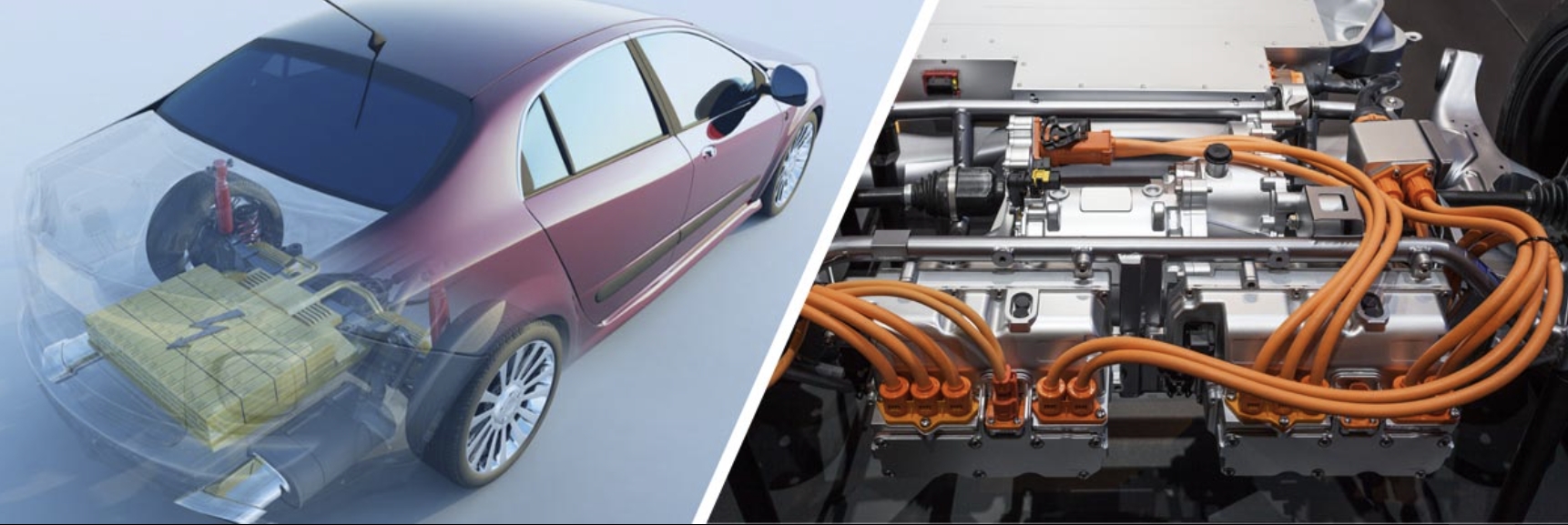
The rapid growth of electric vehicles (EVs) has placed unprecedented demands on automotive cable systems, particularly in managing high-voltage power transmission while ensuring long-term durability. As EV manufacturers push for faster charging and higher efficiency, cable designers face complex engineering challenges.
Technical Hurdles
Modern EV cables must handle voltages up to 800V or higher, requiring advanced insulation materials like cross-linked polyethylene (XLPE) or silicone rubber to prevent electrical breakdown. However, these materials must also withstand extreme temperatures (-40°C to 150°C), abrasion, and chemical exposure from coolants or road salts.
Weight vs. Performance Trade-offs
Copper remains the dominant conductor due to its superior conductivity, but its weight contradicts EV lightweighting goals. Some manufacturers are exploring aluminum alternatives, though its 40% lower conductivity necessitates larger cable diameters. "We're testing hybrid designs with copper-clad aluminum," reveals Dr. Hannah Müller, CTO of leading supplier Leoni Cable.
Durability Concerns
Vibration from road conditions and repeated bending during charging cycles accelerate wear. New testing protocols now simulate 10+ years of usage in months. A 2023 study by TÜV Rheinland showed 15% of sampled EV cables developed insulation cracks after just 50,000 simulated charging cycles.
Industry Responses
• Material Science: DuPont recently launched a ceramic nanoparticle-enhanced insulation claimed to improve heat resistance by 20%
• Modular Designs: Tesla's patent for "segmented high-voltage cables" allows localized replacement of damaged sections
• Standardization: ISO 6722-1 is being updated to include new flex endurance requirements
As OEMs target 1,000V+ systems for next-gen EVs, the industry must resolve these challenges without compromising safety or affordability. "The cable is becoming the most scrutinized component after the battery," notes BMW's Head of Electrification, signaling intensified R&D efforts ahead.
Key Terms:
- High-voltage cables (HV cables)
- Dielectric strength
- Partial discharge resistance
- Flex life testing
- Specific cable weight (kg/meter)